Why your gas mileage dropped
When a tank stops lasting as long as it used to, the cause is usually one of a short list of parts. What we check, starting with the cheapest.
First, make sure it really dropped
The trip computer is a decent guide, but it can be off. The honest test is to fill the tank to the first click, reset the trip odometer, drive normally, and fill to the first click again. Divide the litres you put in by the kilometres you drove, multiply by 100, and you have litres per 100 km. Do it over two or three tanks before you decide something is wrong.
Season matters a lot here. Every Ottawa car uses more fuel in January than in July. Winter gasoline blends carry a little less energy, cold engines run rich until they warm up, winter tires roll with more resistance, and ten minutes on a remote starter burns fuel without moving the car at all. A drop in December is normal. A drop in June, or a drop that keeps getting worse, is worth looking into.
Tire pressure
Start with the cheapest thing. Tires lose a few psi when the temperature falls, and a set that was right in September can be well under by the first cold snap. Soft tires drag, and the car works harder to push them along.
Check the pressure cold, before you drive, against the sticker on the driver’s door jamb. The number moulded into the tire sidewall is the maximum the tire can hold, not what your car wants.
Brakes that drag
A caliper that has seized on its slide pins, or a piston that won’t retract, keeps a pad rubbing on the rotor all the time. The engine spends fuel fighting it. On salted Ottawa cars this is more common than people expect, and it often shows up on one rear wheel.
Signs to look for: one wheel that is much hotter than the others after a drive, a hot smell, brake dust piled up on a single rim, or a car that doesn’t coast as far as it used to when you lift off the gas. A parking brake cable that has rusted and stays partly on does the same thing. Our post on what a brake job costs explains why calipers fail here.
A thermostat stuck open
The thermostat keeps coolant away from the radiator until the engine reaches its working temperature. When it sticks open, the engine runs cold, especially on the highway in winter. The engine computer sees a cold engine and keeps feeding it extra fuel, the way it does on a cold start, for the whole drive.
You usually notice it in the heater before the fuel bill. The cabin takes forever to warm up, the air from the vents is lukewarm at 100 km/h on the 417, and the temperature gauge sits lower than it used to. A thermostat is an inexpensive part and is often a short job, and it is covered on our cooling system page.
Oxygen sensors
The oxygen sensors in the exhaust tell the engine computer whether the mixture is too rich or too lean. As they age, they slow down. A sensor that is lazy rather than dead often doesn’t turn on the check engine light, but the computer is now adjusting the mixture based on stale information.
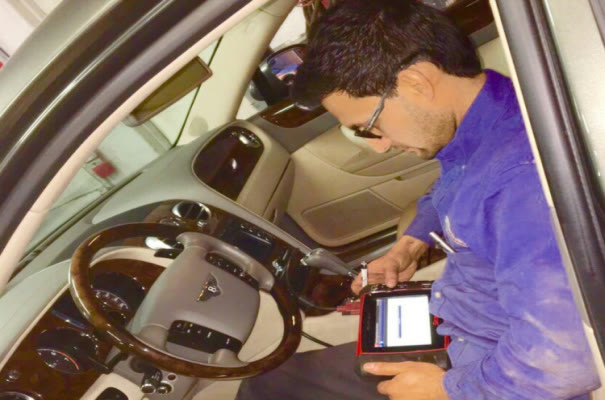
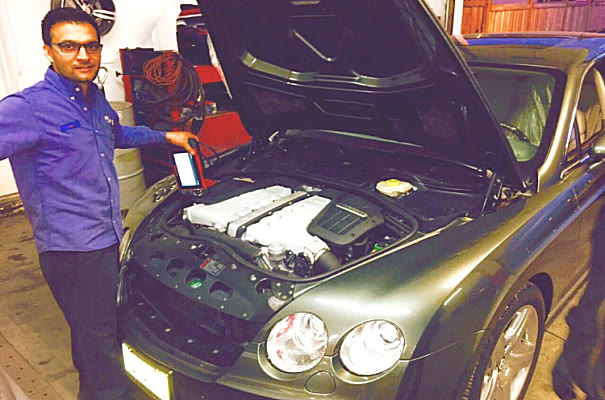
This is where a scan tool earns its keep. We look at live data, especially the fuel trims, which show how much the computer is adding or taking away from its base fuel delivery. Trims that are far off in one direction point to a sensor, a vacuum leak, or a fuel delivery fault, and the pattern usually tells us which. That is the kind of testing described on our computer diagnostics page.
Fuel injectors
Injectors spray a measured amount of fuel into the engine many times a second. When one leaks, sticks, or has worn so its spray pattern is wrong, it delivers more fuel than the computer asked for, and that fuel goes straight out the tailpipe.
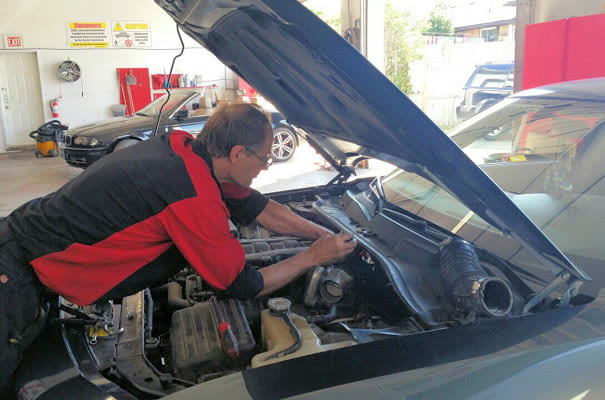
A customer once told us about a high mileage minivan that drove beautifully and had passed its emissions test, yet only managed 200 to 250 km on a full tank. Three other garages had run their tests and found nothing. Before the hood went up here, the mechanic asked how it ran, how many kilometres it had done and whether there was ever a smell of gas while driving. The answers pointed at the injectors, which were worn and pouring in too much fuel. About three hours later the van was back on the road, and the owner said it now does 450 to 520 km on a tank.
The lesson from that one is that the questions matter as much as the scan. A car that runs smoothly and passes an emissions test can still be wasting fuel, and finding it means listening to how the driver describes it. Injector testing and replacement fall under our fuel system work.
Other things that cost you fuel
A few more causes come up often enough to mention:
- a misfire, even a mild one you can barely feel, which wastes the fuel in that cylinder
- a clogged engine air filter on older engines
- a roof rack or cargo box left on all year
- a slipping transmission, where the engine revs but the car doesn’t pick up speed to match
- the wrong oil, thicker than the engine calls for
- a vacuum or exhaust leak upstream of an oxygen sensor, which throws off its reading
If the engine itself is down on power or burning oil, that is a bigger conversation, and our engine repair page covers how we approach it.
How we track it down
Inspection and diagnosis at 2 and 1/2 Mechanics is billed at $120 an hour, before tax. We start with questions, then the cheap checks: tire pressures, brakes, the thermostat and the gauge. Then the scan tool and live data, then testing of whatever the data points at. We call you with what we found and what it costs to fix, and nothing gets repaired without your OK.
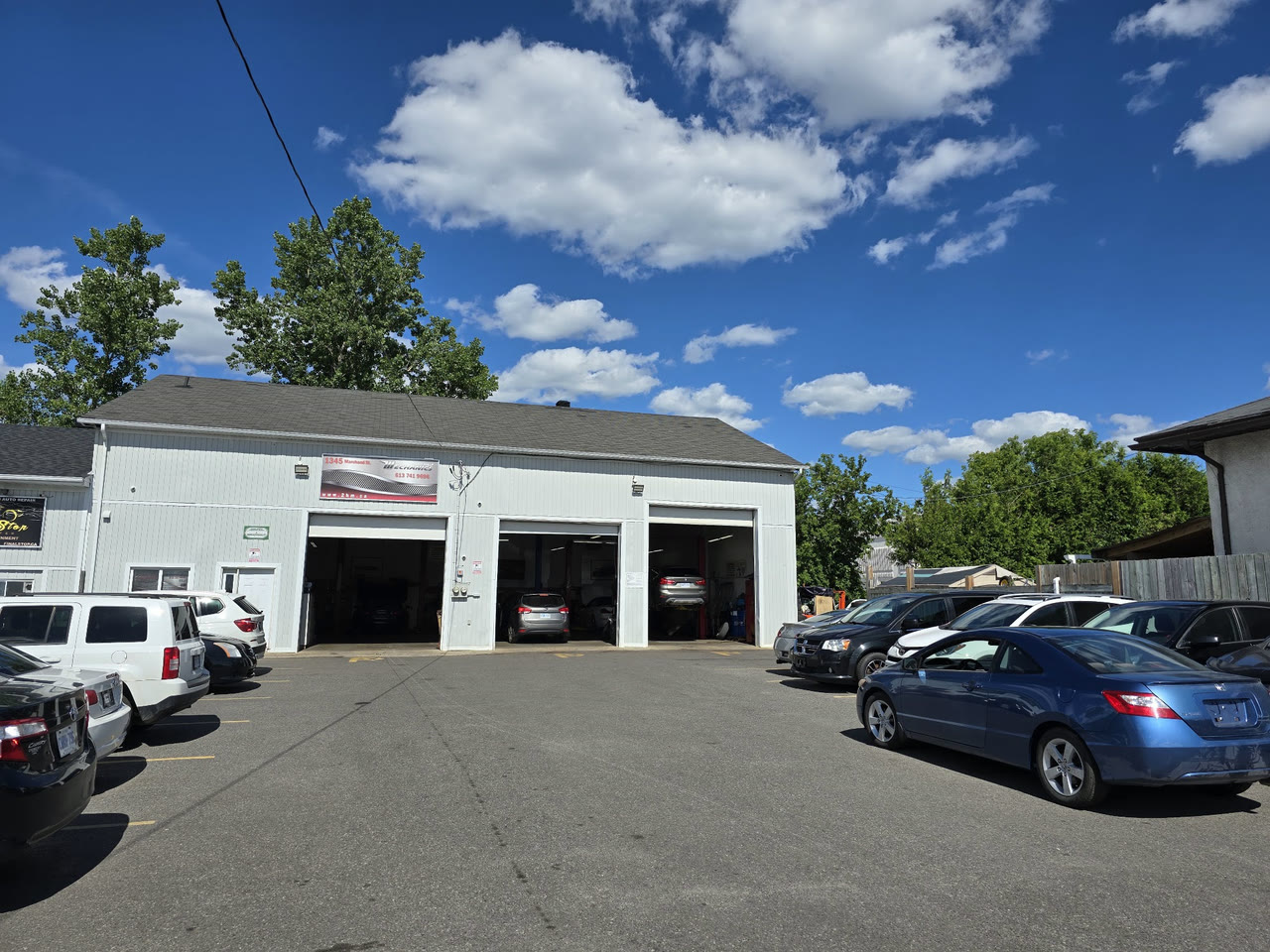
When you book online, write down the kilometres per tank you used to get and what you get now, and when the change started. A photo of the trip computer helps too. Drop the car off by 9am at 1345 Marchand St in Cyrville. That works on Saturdays too, when the shop is open 8am to 3pm.
Related work
Book it whenever suits you
Pick a time on the booking page, tell us what the car is doing and add a few photos. Bring it to Marchand Street by 9am on the day you chose, and we call you before any work starts.